

A social smile is more than just a delightful expression.
It’s often one of the first indicators of an infant’s ability to engage with the world around them; a cue of connection. It brings joy, disarms tension, and lights up rooms. Some might argue it’s more intoxicating than barrels at the brewery. Even million-dollar industries built on giving happiness a price tag rarely rival the emotional value of a genuine, heartwarming Duchenne smile.
We think it’s the smile’s sincerity – undiluted, pure and spontaneous – that gives it power.
But here’s a thought: has the social smile become one of the more subtle perils of the 21st century?.
When we say ‘cheese’, it is often not about happiness, but about conformity.
Today’s smiles are more about harmony, about showing the right kind of emotion, at the right time, for the right audience. Think: photo prompts, polished grins in pitch meetings, digital expressions for invisible crowds.
This aligns with what psychology calls normative conformity—altering one's behavior to align with perceived social expectations, even at the cost of personal authenticity. That forced smile during a work call? The curated grin for your LinkedIn profile pic? We’re all doing it, even if we don’t think of it that way.
We’re not smiling less—we’re just not always smiling for ourselves. It’s not a picture-perfect smile, it’s a smile for the pictures.
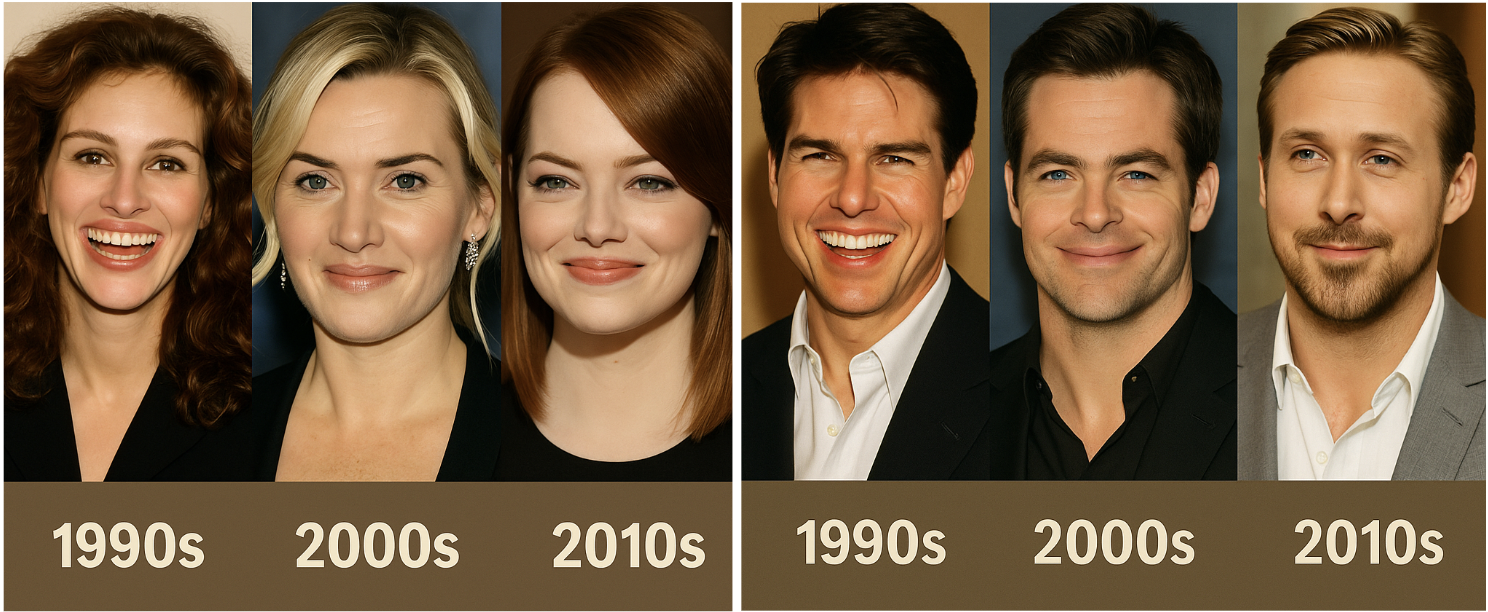
Smiles have changed over time. The 1990s were marked by the Duchenne smile that reflected true emotions. Smiles today are doing just the opposite- hiding how we truly feel.
Masking true feelings and frequently forcing expressions may contribute to emotional dissonance and a sense of inauthenticity in interpersonal interactions.
In fact, many from younger generations are editing their smiles altogether. Surveys show a surprising percentage of Gen Z and millennials have digitally altered their teeth or expressions in photos, reflecting a complex relationship between self-perception and societal standards.
It makes us wonder: is the smile now less an expression of emotion, and more a performance for one’s “ideal perception"?
The evolution of the social smile captures a profound shift in how we express and perceive emotions in contemporary society.
We’ve felt it too—in the field, in the room, in the playback.
A respondent smiles when they say “I don’t mind the ad,” but their tone lags just a little. Or they light up recalling a brand moment, but quickly return to neutral. As researchers, we need to remember: expressions aren’t always aligned with emotion. It’s in the dissonance—the pause, the flicker, the afterthought—where meaning often lives.
It’s why tools like behavioural coding, facial EMO analysis, or just well-timed silence in an IDI can be more telling than a yes or no.
Next time someone smiles in a focus group or in your campaign footage ask yourself:
Is this a smile for connection… or one for the camera?
As we see it, this shift isn’t just cultural, it’s commercial too.
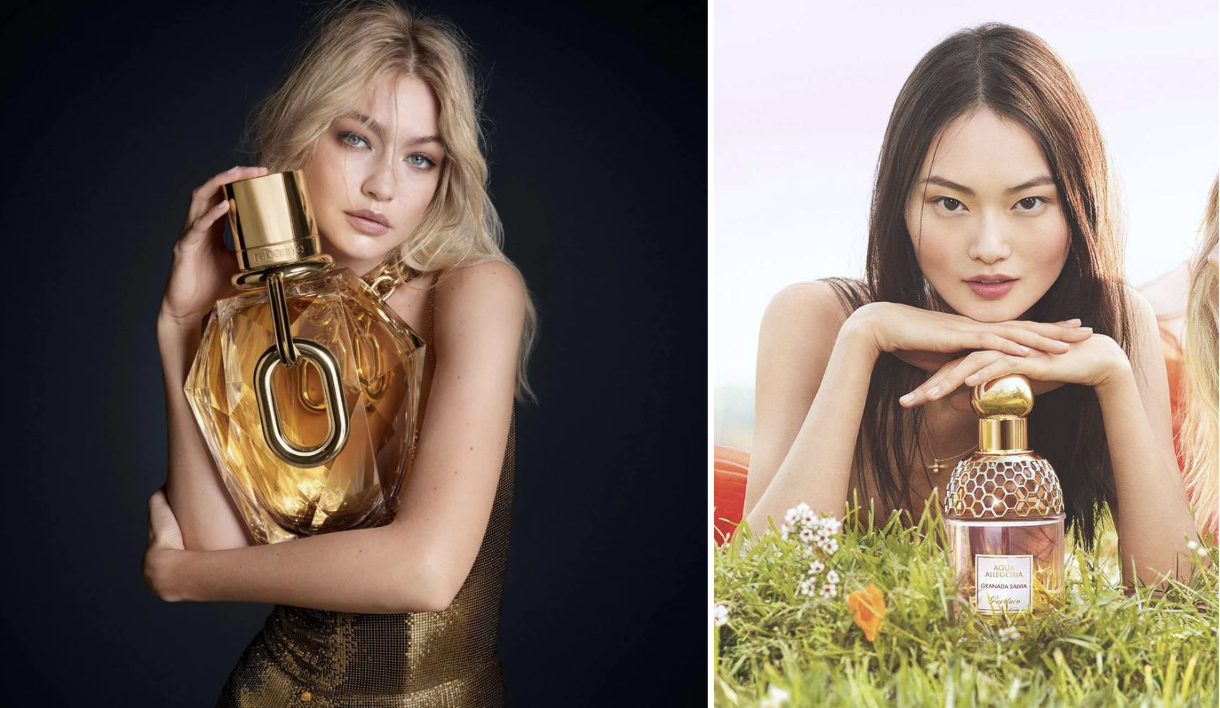
Premium brands, in particular, have long embraced emotional restraint. Their aesthetic language leans toward stoicism laced with minimalism, control, and polish. A clean, emotion-neutral face becomes shorthand for trust, taste, and timelessness.
But in crafting perfection, are we inadvertently muting emotional range? When all expressions are curated, what happens to authenticity, to who we truly are?
We’re not saying we need to swing back to chaos. But we are asking: are we designing out the very emotions that make people feel understood?
