
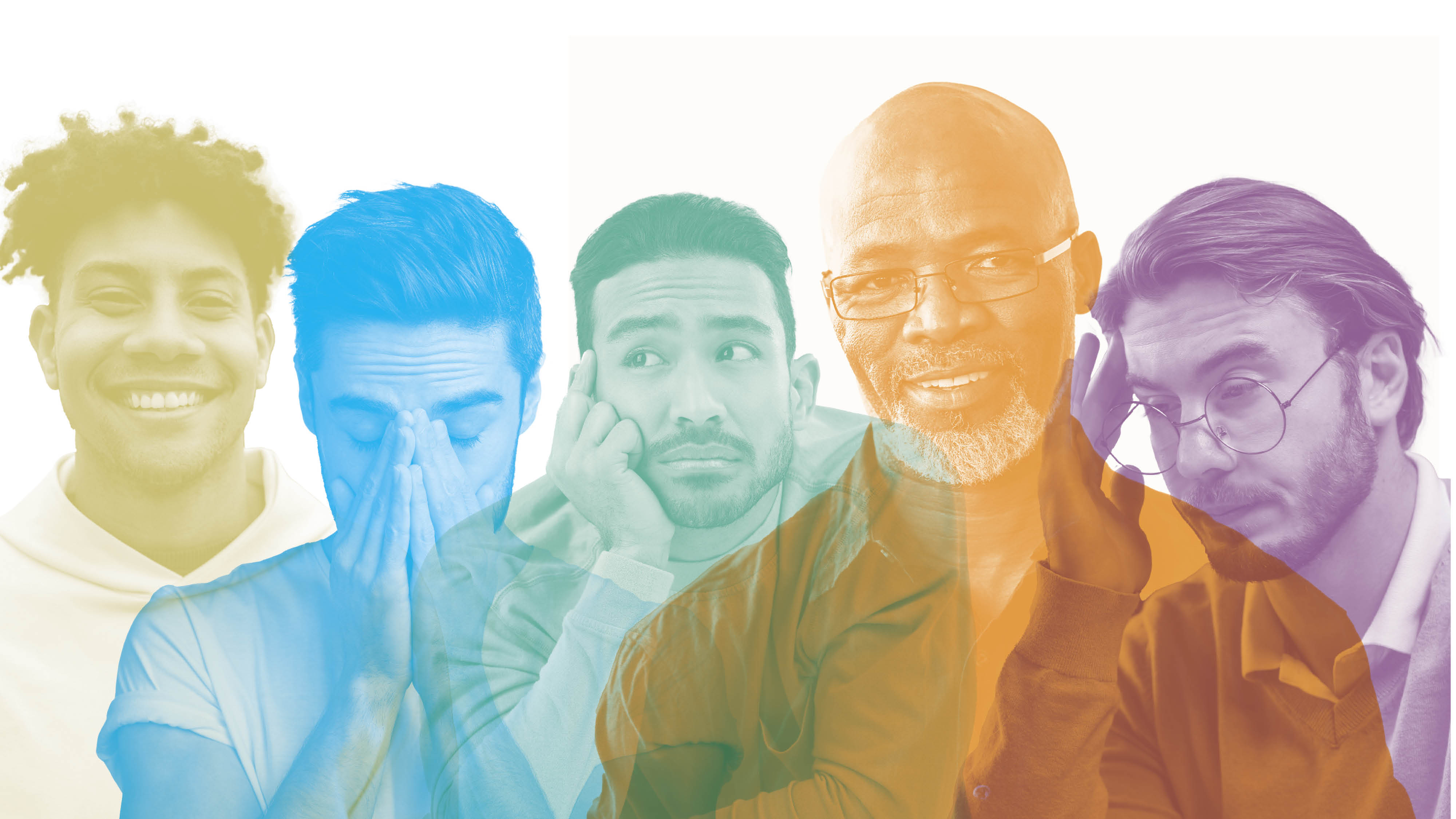
For generations, masculinity’s definition was more or less cast in stone: provider, protector, stoic leader. To “be a man” was to carry strength without vulnerability, and to measure worth in muscles, money, or authority.
But for today’s youth, those codes grow more fluous. Masculinity is no longer a rulebook to follow; it is a spectrum to curate.
What emerges is a generational re-authoring of identity. Masculinity is moving away from conformity toward conscious identity curation.
From the pressure to embody power, toughness, and restraint, young men are now reaching for emotional literacy, community, ethical alignment, and self-defined rituals of strength. This shift is profound; it’s not the death of masculinity, but its rebirth as something expansive, plural, and deeply personal.
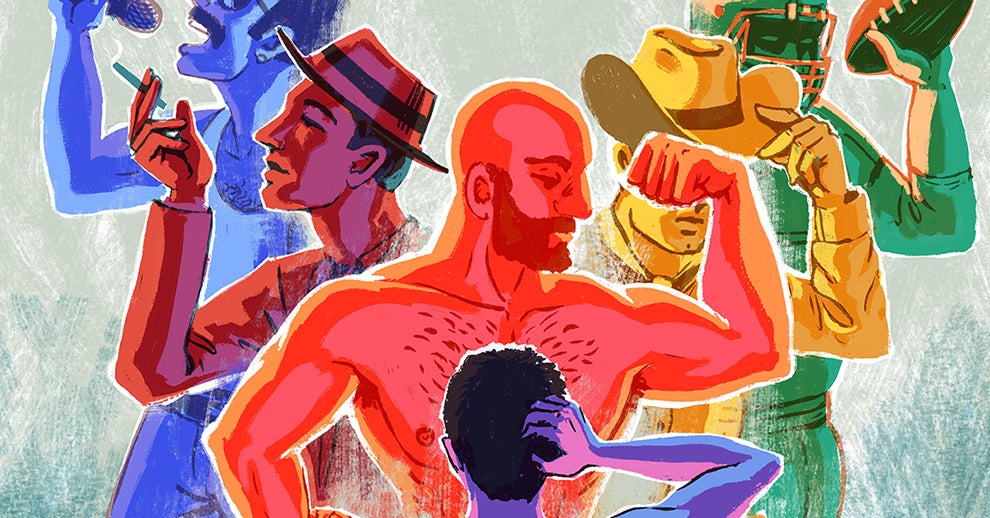
“Multipolar Masculinity”
At the heart of this shift is the language of choice. Young men no longer speak of masculinity as an externally imposed identity, but as a palette of signals from which they pick and choose.
This is multipolar masculinity—a framework where multiple versions of “being a man” coexist. A rugged individualist sits alongside an emotionally literate nurturer; the vibe-and-wardrobe curator shares space with the domestic carer. “Being a man” is no longer defined by rejecting emotion or doubling down on dominance, but by knowing themselves and owning it. Authenticity has become the new masculine ideal.
The implications are seismic: it is not that traditional roles have disappeared, but that they now exist alongside new ones, forming a spectrum rather than a single path.
There are several powerful forces converging that portray this shift is inevitable and imminent:
- Demographic DNA: Gen Z and Gen Alpha have grown up immersed in pluralism. From gender fluidity to allyship, inclusivity is their default setting, not an afterthought.
- Platform Reinforcement: Social media no longer rewards conformity. TikTok, YouTube, and Instagram thrive on vulnerability, creativity, and individuality. Virality is driven less by posturing than by personality.
- Institutional Drift: Schools, therapy culture, progressive parenting, and even traditional arenas like sports are reshaping what it means to be a “good man.” Mental health initiatives and softer fatherhood models now coexist with physical training and competition.
- Economic Gravity: Entire industries—personal care, fashion, wellness, media—stand to benefit from expressive masculinity. There are both cultural and financial incentives for sustaining these new narratives.
Together, these drivers create not just a trend but a new baseline. Masculinity is no longer policed by binaries but stretched by possibility.
The Push and Pull of Old and New
What defines this moment is tension. Young men still feel the weight of traditional expectations—being providers, being physically fit, being unshakably strong—yet they also seek the freedom to show care, softness, and openness. This friction produces both anxiety and self-realisation, nervousness and hope.
The rejection of “being a man” has given way to “be your own man.” Strength is measured as much in emotional intelligence as in physical prowess. Allyship, beauty, care, and gender fluidity are not fringe experiments but growing mainstream expressions of manhood. Masculinity has grown increasingly dynamic and now existent as something lived, negotiated, and co-created in real time.
What This Means for Brands
Most brands have spent decades trying to fit into and reaffirm a traditional idea of “masculinity”. But this moment demands a different response. The opportunity is not to prescribe a new model of manhood but to give men the space to author their own.
This could be executed by creating moments of intersection between traditionally masculine conventions and intentional, palatable introductions to the new.
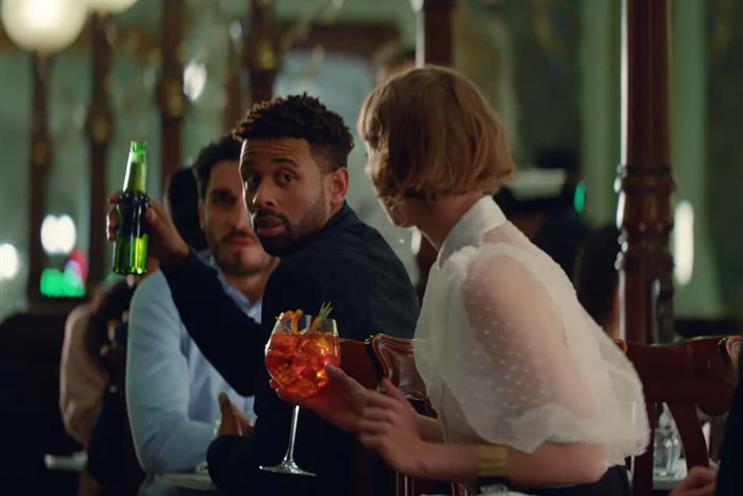
Picture: a sportswear brand spotlighting athletes who show strength in recovery as much as in performance. Or a food and beverage brand reframing friendship rituals—not just banter over beers, but honest moments shared across a table.
A finance player might flip the old “provider” script into collaborative planning with partners. Even tech and gaming brands can lean in by celebrating online spaces where young men find not only escape, but also connection and creativity.
The brands that will win are those that stop telling men who to be—and start offering tools to help them become who they already are.
The lesson is clear: don’t just observe from the sidelines. Engage with these evolving codes now, before they leave your messaging behind. Masculinity is being re-authored; the question is, will your brand have a voice in the story?
